
Complete Guide for Beginners, Kids, Professionals, and Wedding Dancers

If you’re thinking about joining dance classes, one question has probably crossed your mind:
How many Dance Classes Per Week are actually good?

It’s a simple question, but the answer isn’t always straightforward.
Some people believe attending classes every day is the fastest way to improve. Others worry that one class per week may not be enough. Then there are busy professionals, parents, and wedding couples trying to fit dance into an already packed schedule.
The ideal number of Dance Classes Per Week depends on your goals, lifestyle, fitness level, and experience. The right schedule should help you improve steadily while keeping the experience enjoyable and stress-free.
Whether you’re learning dance for fitness, confidence, self-expression, stage performances, or wedding choreography, finding the right balance is more important than simply attending as many classes as possible.
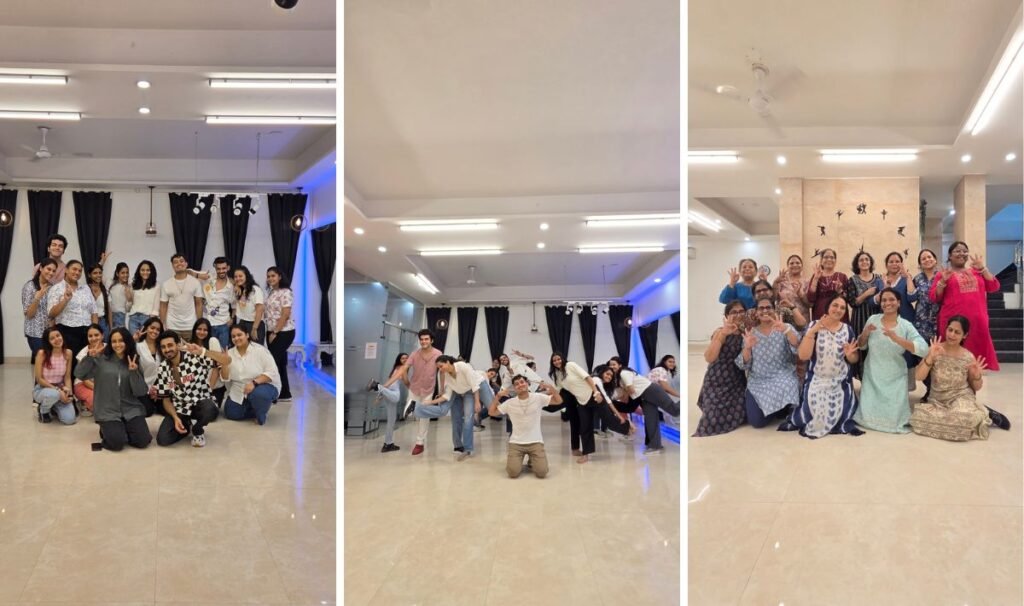
At The Marun Choreography in Dwarka, Delhi, we often meet students who are eager to learn but unsure about how frequently they should train. Some worry they are not practising enough, while others fear they might overcommit and struggle to keep up. Both concerns are completely normal.
The good news is that dance is not a race. Unlike academic exams or strict fitness programs, dance is a journey that allows you to grow at your own pace. A schedule that feels comfortable and sustainable will almost always deliver better results than an intense routine that leaves you feeling exhausted.
In this guide, you’ll learn exactly how many Dance Classes Per Week are suitable for beginners, children, working professionals, ladies, and people preparing for weddings. You’ll also discover why consistency matters more than intensity and how to create a schedule that works for your lifestyle.
Why Choosing the Right Number of Dance Classes Matters
Many people focus entirely on quantity when they start learning dance. They assume that attending more classes automatically means faster improvement. While regular practice certainly helps, progress in dance depends on much more than simply showing up every day.
Every dance class introduces new information. Your body learns movements, your brain processes rhythm, and your muscles adapt to unfamiliar patterns. This learning continues even after the class ends. During recovery periods, your body develops better coordination, and your mind strengthens the connection between movement and music.
This is why choosing the right number of Dance Classes Per Week is so important.
When your schedule is balanced, you can absorb what you’ve learned, return to class feeling refreshed, and enjoy the learning process. On the other hand, attending too many classes too quickly can sometimes lead to physical fatigue, mental exhaustion, and reduced motivation.
Another important factor is consistency. A person who attends two classes every week for an entire year will often make greater progress than someone who attends five classes a week for a month and then quits because the schedule becomes difficult to maintain.
Dance should enhance your lifestyle, not create additional stress. The ideal schedule allows you to continue learning comfortably while balancing work, studies, family responsibilities, and personal time.
How Many Dance Classes Per Week Is Good for Beginners?
If you’re completely new to dance, starting with one to two Dance Classes Per Week is usually the best approach.
As a beginner, you’re learning much more than steps. You’re developing body awareness, improving balance, understanding rhythm, building confidence, and training your muscles to move in new ways. All of this takes time.
Many beginners become excited after their first few classes and immediately want to increase their training schedule. While enthusiasm is wonderful, it’s important to remember that learning happens gradually. Your brain needs time to process new movements, and your body needs time to adapt.
One Dance Class Per Week can be an excellent starting point for people with busy schedules. It provides a structured learning environment while leaving enough time for rest and personal practice.
Two Dance Classes Per Week often provide the ideal balance for beginners who want slightly faster progress. The additional class reinforces what you’ve already learned and helps build stronger muscle memory without overwhelming your schedule.
Beginners should focus less on speed and more on consistency. Dance skills develop through repetition, patience, and confidence. Even if progress feels slow initially, regular attendance will create noticeable improvement over time.
It is also important to avoid comparing yourself to other students. Some people naturally pick up choreography quickly, while others require additional practice. Every dancer follows a different path, and steady progress is always more valuable than rushing through the learning process.
How Many Dance Classes Per Week for Kids?

For children, dance is much more than an extracurricular activity. It supports physical development, social interaction, creativity, discipline, and self-confidence.
Parents often wonder whether one class is enough or if their child should attend multiple sessions every week. The answer depends largely on the child’s age, level of interest, and overall schedule.
Young children between the ages of three and six generally benefit from one to two Dance Classes Per Week. At this stage, classes should focus on enjoyment, movement exploration, and basic coordination rather than technical perfection.
Children between seven and twelve years old often thrive with two to three classes weekly. Their ability to remember choreography improves significantly, and they become better at understanding technique and musicality.
Teenagers who are passionate about dance may enjoy attending three or even four classes per week, especially if they participate in performances or competitions.
However, it is important to maintain balance. Children should still have enough time for schoolwork, family activities, social development, and rest. Dance should remain a positive experience that inspires excitement rather than pressure.
When children enjoy their classes and feel supported, they are more likely to develop a lifelong appreciation for dance and movement.
How Many Dance Classes Per Week for Working Professionals?
Modern professional life can be demanding. Long working hours, deadlines, meetings, commuting, and personal responsibilities often leave little room for hobbies and self-care.
This is one reason dance has become increasingly popular among working professionals.
Dance offers a unique opportunity to disconnect from daily stress and reconnect with creativity, movement, and personal well-being. Even a couple of classes every week can create a noticeable difference in energy levels, confidence, and mental clarity.
For most professionals, two Dance Classes Per Week provide an ideal balance. This schedule allows for consistent progress without interfering with work commitments.
Those who are particularly passionate about dance or preparing for performances may choose three classes per week. This additional practice can accelerate improvement while remaining manageable for most people.
One of the biggest benefits of dance for professionals is stress reduction. During class, your focus shifts away from emails, meetings, and deadlines. Instead, you become fully present in the music and movement. This mental reset can have a surprisingly positive effect on overall productivity and well-being.
Rather than viewing dance as another task on your calendar, think of it as dedicated time for yourself. A well-balanced dance schedule can improve both physical fitness and emotional wellness while making your week more enjoyable.
How Many Dance Classes Per Week for Ladies?
For many women, dance combines fitness, confidence, creativity, and self-expression in a way that traditional workouts often cannot.
Women who attend dance classes primarily for recreation and enjoyment often find that one to two Dance Classes Per Week are sufficient. This schedule provides a refreshing break from daily responsibilities while supporting overall fitness and mental well-being.
For those with fitness goals such as improving stamina, increasing activity levels, or supporting weight management, two to four classes per week may be beneficial.
Perhaps the greatest advantage of dance is that it feels enjoyable rather than obligatory. Instead of forcing yourself through a workout, you look forward to an activity that naturally combines exercise with fun.
This positive relationship with movement is one reason why so many women choose dance as a long-term wellness practice.
How Many Dance Classes Per Week for Wedding Preparation?

Wedding choreography requires a slightly different approach.
Unlike recreational dance training, wedding performances often involve specific deadlines and goals. Couples, family members, and friends must learn routines within a limited timeframe while balancing numerous other wedding preparations.
For couples beginning their wedding dance journey two to three months before the event, two Dance Classes Per Week are generally sufficient. This schedule provides enough time to learn choreography comfortably without feeling rushed.
As the wedding date approaches, increasing to three Dance Classes Per Week can help refine performance quality, improve confidence, and ensure smoother execution on the big day.
During the final weeks before the wedding, additional rehearsals may be helpful depending on the complexity of the routine and the number of participants.
The goal should never be perfection. Instead, wedding choreography should create memorable moments that feel natural, joyful, and meaningful. A realistic practice schedule allows everyone to enjoy the process while preparing for a confident performance.
Is It Better to Take Dance Classes Every Day?
Many people assume daily training automatically produces better results.
While professional dancers and advanced performers may benefit from daily practice, this approach is not necessary for most learners.
Daily classes can sometimes lead to physical fatigue, mental burnout, and scheduling challenges that undermine long-term consistency. Without adequate recovery, your body may struggle to perform at its best.
For most students, two to four Dance Classes Per Week provide more than enough opportunity for growth while allowing proper recovery and reflection.
Remember that improvement occurs not only during class but also between classes. Rest, recovery, and occasional self-practice all contribute to progress.
A sustainable schedule almost always delivers better results than an overly ambitious one.
Quality Matters More Than Quantity
Perhaps the most important lesson in dance training is that quality always matters more than quantity.
Attending multiple classes each week will not guarantee improvement if the instruction lacks structure or if you’re unable to absorb the material.
A well-designed class with professional guidance, clear instruction, personal attention, and a positive atmosphere can produce remarkable progress even with a modest training schedule.
Focus on learning effectively rather than simply accumulating hours.
The best dance experience is one that combines expert teaching, consistent attendance, proper recovery, and genuine enjoyment.
Final Thoughts
So, how many Dance Classes Per Week are good?
For most people, the answer falls somewhere between one and three classes each week. Beginners often thrive with one or two sessions; children generally benefit from one to three classes; professionals usually find two classes manageable; and wedding dancers may require additional rehearsals depending on their timeline.
The perfect schedule is not the busiest one. It is the one that fits naturally into your life, supports your goals, and allows you to enjoy the journey.
Dance should leave you feeling energised, confident, and inspired. When you find the right balance, every class becomes an opportunity to grow, express yourself, and create lasting memories.
Whether you’re learning for fitness, fun, personal growth, or a special celebration, consistency will always be your greatest advantage. Choose a schedule that feels sustainable, stay committed to the process, and enjoy every step of your dance journey.