Have you ever watched people dancing confidently at a wedding, party, or celebration and wondered how they make it look so easy? Many people admire dancers from a distance but hesitate to step onto the dance floor themselves. The most common reason is simple: they believe dancing requires years of training or complicated choreography.
In reality, dancing becomes much easier once you understand a few basic dance moves. These foundational movements help your body understand rhythm, coordination, and expression. Instead of worrying about complicated choreography, you simply move naturally with the music.
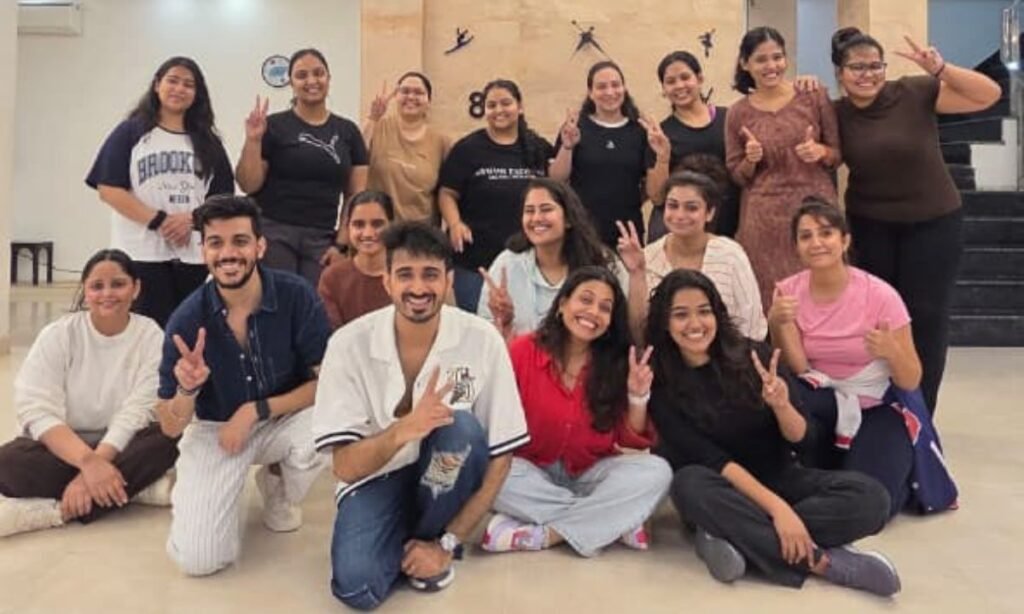
At The Marun Choreography in Dwarka, Delhi, many beginners arrive with the same concern: they think they cannot dance. However, after learning a few simple basic dance moves, they quickly realise that dancing is not about perfection. It is about comfort, rhythm, and enjoying the music.
Whether you want to dance confidently at weddings, participate in celebrations, or simply enjoy moving to music, learning these basic steps can make a big difference. This guide will introduce some basic dance moves everyone should learn, helping you feel comfortable and confident whenever music begins to play.
Why Learning Basic Dance Moves Is Important
Before learning specific steps, it is helpful to understand why basic dance moves are so valuable for beginners. Many people believe that dance is complicated because they only see finished performances. What they do not see is that every dancer starts with simple foundations.
Just like learning a language begins with the alphabet, dancing begins with simple steps. Once your body understands rhythm and coordination through these foundational movements, combining them into more expressive dance becomes much easier.
Learning basic dance moves offers several benefits. It helps improve body coordination and rhythm awareness while also boosting confidence in social situations. When music begins to play at weddings, parties, or celebrations, people who understand simple dance steps feel more relaxed and willing to join the celebration instead of standing on the sidelines.
Another important benefit of learning dance is stress relief. After a long day at work or school, moving your body to music can reduce stress and improve your mood. This is one of the reasons why many people now look for dance training sessions, hobby classes for kids, and activity classes in Dwarka that help them stay active while also enjoying a creative outlet.
Dance is not just about movement. It is a way to express emotions, stay healthy, and connect with music in a deeper way. Once you understand a few basic steps, dancing becomes less intimidating and much more enjoyable.
1. The Two-Step Move
The Two-Step is one of the most common and essential basic dance moves for beginners. It is simple, versatile, and forms the foundation of many dance styles, including freestyle, Bollywood, and wedding choreography.
To perform the two-step, begin by stepping your right foot to the right side. Bring your left foot next to it, then step to the right again and lightly tap your left foot beside it. After completing this sequence, repeat the same pattern on the opposite side.
This movement may appear simple, but it teaches your body an important skill: moving with the rhythm of music. Once you understand this rhythm, dancing becomes much more natural.
One of the reasons the two-step is so useful is that it can easily be combined with other movements. You can add hand gestures, shoulder movements, or turns to create more expressive dance patterns. Because of its flexibility, the two-step is frequently used in beginner dance training sessions.
Many dancers discover that mastering this single step gives them the confidence to explore other basic dance moves. It serves as the starting point, helping beginners feel comfortable on the dance floor.
2. The Side Sway Move
Some of the most elegant dance movements are also the simplest. The Side Sway is a graceful motion that works beautifully with slower songs and romantic dance sequences.
To perform this move, gently shift your body weight onto your right leg while allowing your upper body to sway slightly in the same direction. Then transfer your weight to the left leg and repeat the motion with the rhythm of the music. The key is to keep the movement relaxed and smooth rather than rigid.
The reason the side sway works so well for beginners is that the human body naturally responds to music by swaying. When you listen to a slow or melodic song, your body instinctively begins to move in a gentle rhythm. This makes the side sway one of the easiest basic dance moves to learn.
Adding soft hand movements can make the sway appear even more elegant. Many wedding choreography routines incorporate this step because it creates a calm and graceful presence on the dance floor.
3. The Step Touch Move
The Step Touch is another fundamental dance move that appears in many dance styles. It is widely used in Bollywood dance routines, fitness dance programs, and beginner choreography because of its simplicity and adaptability.
To perform this movement, step to the right side with your right foot and bring your left foot beside it so that it gently touches the floor. Then step to the left side with your left foot, bringing your right foot beside it. Continue repeating this pattern while keeping your movements relaxed.
Once you feel comfortable with the basic motion, you can enhance it with small variations. For example, adding claps or light shoulder movements can make the dance look more energetic and expressive.
This move is especially helpful for beginners because it develops rhythm and coordination simultaneously. As you practice, your body becomes more comfortable transitioning between steps, making it much easier to learn additional basic dance moves.
4. The Shoulder Bounce
While footwork forms the foundation of dance, upper body movements bring life and expression to your performance. The Shoulder Bounce is one of the simplest ways to make your dance appear more natural and energetic.
To perform this move, stand with your feet relaxed and gently move your shoulders up and down with the rhythm of the music. The movement should be subtle rather than exaggerated. When done correctly, it adds a sense of flow and personality to your dance.
Without upper body movement, even well-executed footwork can appear stiff. The shoulder bounce creates a relaxed, lively appearance, which is why it is often included in Bollywood dance routines and freestyle dance sessions.
Beginners often find that adding this small movement instantly improves the way their dancing looks and feels. It allows the body to respond naturally to the music’s beat.
5. The Turn Move
Once you feel comfortable with earlier basic dance moves, adding a simple turn can elevate your dance. The Turn Move introduces elegance and visual interest to your movements.
To perform a turn, begin by taking a small step forward. Slowly rotate your body in a circular motion and return to your original position. The key to a successful turn is maintaining balance and keeping the movement smooth rather than rushed.
Turns are commonly used in many dance styles because they create a visually appealing moment within a routine. Even a simple spin can make a dance performance look more polished and expressive.
Wedding choreography, Bollywood dance routines, and stage performances frequently incorporate turns to add variety and beauty.
6. The Hand Wave Move
Hand movements are an important part of many dance styles, especially in Bollywood and expressive dance forms. The Hand Wave is a gentle movement that adds elegance and fluidity to your dance.
To perform the hand wave, extend your arms slightly outward and relax your wrists. Move your hands in a soft, wave-like motion, allowing the movement to flow naturally through your arms.
This move works beautifully when combined with simple steps like the side sway or step touch. Because it emphasises smooth motion, the hand wave creates a graceful and sophisticated appearance.
In many performances, hand gestures are used to express emotions or enhance storytelling within the dance. Even simple hand movements can make a dancer appear more expressive and confident.
7. The Freestyle Bounce
After learning several basic dance moves, the next step is learning to dance freely with the music. Freestyle dancing allows you to combine movements naturally without following strict choreography.
To begin freestyle dancing, keep your knees slightly bent and bounce gently with the rhythm of the music. Add simple steps you already know, such as the two-step or step touch. The goal is to move naturally and enjoy the music rather than focusing on perfect technique.
Freestyle dancing is where many people begin to enjoy dancing. Once you stop worrying about specific steps and simply respond to the music, dancing becomes fun and relaxing.
This approach is often encouraged in beginner dance workshops because it helps dancers build confidence and develop their own style.
How Basic Dance Moves Improve Your Confidence
Confidence is one of the biggest benefits of learning basic dance moves. Many beginners feel nervous about dancing because they fear making mistakes or looking awkward.
However, once you understand a few simple steps, this fear gradually disappears. Your body becomes familiar with rhythm, and you begin to move more naturally.
Confidence develops through practice. Each time you repeat a step or movement, your body becomes more comfortable performing it. Over time, these movements become automatic.
This transformation allows dancers to enjoy music and participate in celebrations without hesitation. Instead of worrying about how they look, they focus on enjoying the moment.
How to Practice Basic Dance Moves at Home
Practicing dance at home is a simple and effective way to improve your skills. You do not need a large space or special equipment. A small open area and your favorite music are enough to begin.
Start by choosing a song with a clear rhythm. Practice the two-step for a few minutes, then add side sway movements. Continue with step-touch patterns and simple turns. After practicing these steps, allow yourself to dance freely with the music.
Even practicing for 10 to 15 minutes each day can significantly improve your comfort with basic dance moves. Consistency matters more than duration. Over time, your movements will become smoother and more confident.
Why Dance Classes Help Beginners Progress Faster
While practicing at home is helpful, structured dance classes can accelerate your progress. Professional instructors provide guidance that helps beginners improve posture, coordination, and rhythm.
Dance instructors also help correct small mistakes that beginners may not notice on their own. Learning in a group environment can also make the experience more enjoyable and motivating.
This is why many families look for kids skill development classes, creative workshops for kids, and dance classes in Dwarka. These programs help participants develop confidence, coordination, and creative expression.
Dance Is Not Just Movement — It Is an Experience
Dance is often misunderstood as just a performance skill. In reality, it offers much deeper benefits for both physical and emotional well-being.
Dancing improves flexibility, coordination, and cardiovascular health while also helping release stress. It allows people to express emotions through movement and connect with music in a powerful way.
When your body moves naturally with rhythm, you experience a sense of freedom and presence that can be difficult to find in everyday life.
For many people, dance becomes more than an activity. It becomes a joyful experience that brings energy, relaxation, and creativity into their routine.
Basic Dance Moves for Weddings and Celebrations
In India, music and dance are central to celebrations. Weddings, festivals, and family gatherings often include moments where everyone joins the dance floor.
Knowing a few basic dance moves ensures that you can participate confidently in these celebrations. Instead of feeling unsure, you can enjoy dancing with friends and family.
Sometimes, the most memorable moments at weddings are not the formal performances but the spontaneous dancing shared by loved ones.
Final Thoughts
Learning basic dance moves is not about becoming a professional dancer. It is about enjoying music and expressing yourself through movement.
Simple steps like the two-step, side sway, step touch, shoulder bounce, hand wave, and turns provide a strong foundation for anyone who wants to dance confidently.
With practice, these movements become natural and enjoyable. What once felt intimidating begins to feel exciting.
So the next time music begins to play at a celebration, do not hesitate. Step onto the dance floor and enjoy the rhythm.
Every confident dancer started with the same simple basic dance moves.