A Complete Guide for Confident Performances
When your child steps onto a stage for the first time, it is a magical moment. The lights glow softly, the music begins, and suddenly every eye in the room is watching. For many children, this moment feels exciting, but it can also feel overwhelming. Some kids feel butterflies in their stomachs, some become shy, and others worry about forgetting their steps. This is completely normal. Learning Stage Performance Tips for Kids helps children transform nervousness into confidence and joy.
Children who understand how to prepare for a performance usually feel calmer and more excited about being on stage. With the right guidance, practice, and encouragement, even shy children can grow into confident performers who enjoy performing in front of an audience.
If you live in Dwarka, Delhi, and your child participates in school performances, dance programs, or stage activities, learning the right Stage Performance Tips for Kids can make a big difference in their confidence. Parents often notice that children who regularly participate in stage activities become more expressive, confident, and comfortable communicating with others.
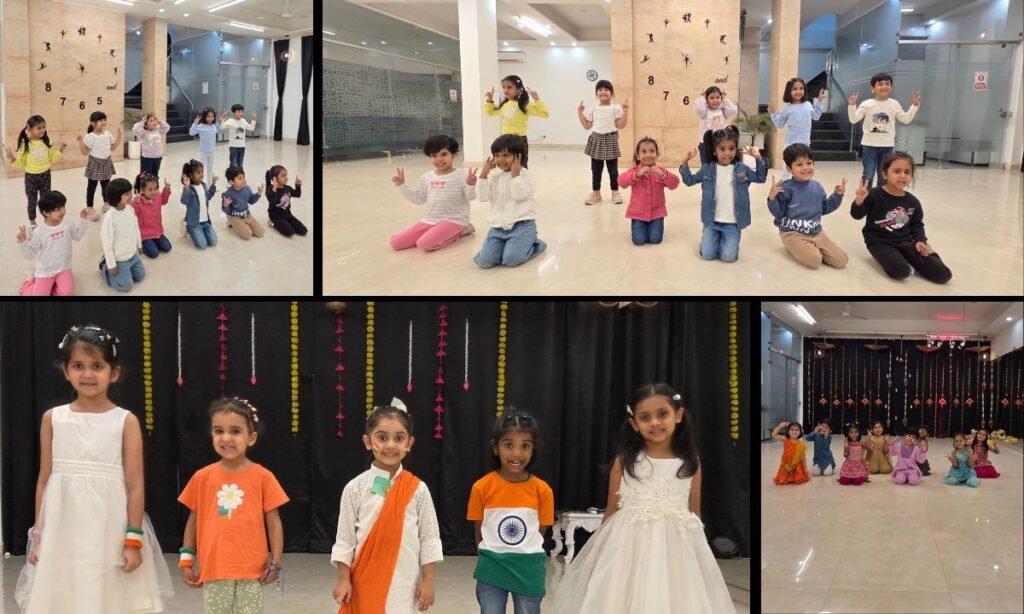
At The Marun Choreography, we work closely with young performers through dance training sessions, creative workshops for kids, and activity classes in Dwarka. Over time, we have observed that when children receive the right preparation and encouragement, they begin to enjoy the stage rather than fear it. In this guide, you will discover practical Stage Performance Tips for Kids that help young performers feel confident, and ready to shine in front of any audience.
Why Stage Confidence Matters for Kids
Before understanding detailed Stage Performance Tips for Kids, it is important to understand why stage confidence is valuable for children. Stage performance is not only about dancing, acting, or delivering a performance. It helps children develop important life skills that support their personal growth.
Children who participate in kids’ skill development classes, hobby classes, or creative workshops often develop stronger self-confidence. They become comfortable expressing themselves in front of others, which also improves their performance in school presentations, public speaking, and social situations.
Another important benefit of stage exposure is its role in emotional development. Performing in front of an audience teaches children how to handle excitement, pressure, and nervousness healthily. Over time, they learn to stay calm even when many people are watching.
Research in performance psychology shows that emotional connection plays a powerful role in how people respond to performances. When performers express emotions naturally, audiences connect with them more deeply and enjoy the performance more.
AT-A-Glance+Guide+to+Emotion
This is why helping children build stage confidence early can positively impact their overall personality development.
Understanding Stage Fear in Children
One of the most important Stage Performance Tips for Kids is understanding stage fear. Many parents think their child lacks confidence if the child feels nervous before a performance. In reality, stage fright is a completely natural reaction.
Children may feel nervous for several reasons. They may feel shy because many people are watching them. They may worry about forgetting their steps or making mistakes. Bright stage lights, loud music, and unfamiliar environments can also make children feel uncomfortable.
Parents and teachers need to understand that stage fright is a sign that the child cares about their performance. Even professional dancers, actors, and public speakers feel nervous before stepping onto a stage. Nervousness simply means the brain is preparing for an important moment.
Instead of telling children not to be nervous, it is more helpful to explain that nervousness is normal and even useful. The body releases energy when a person feels nervous, which can help performers stay alert and focused during the performance.
Parents can reassure children by reminding them that mistakes are normal and audiences usually focus on the overall performance rather than small errors. When children understand that stage fright is a common experience, they begin to feel more comfortable and confident.
Stage Performance Tips for Kids – Build Confidence Before the Performance
Confidence does not suddenly appear on the day of the performance. One of the most effective Stage Performance Tips for Kids is helping children build confidence during preparation. When children practice regularly and feel familiar with their performance routine, they feel more relaxed when they step onto the stage.
Preparation gives children a sense of control. When they know their steps well and understand the sequence of their performance, they worry less about making mistakes.
Practice in a Safe Environment
Practising in a comfortable and familiar environment is extremely important for young performers. Children should rehearse their routines in places where they feel relaxed and supported. This may include dance studios, school practice halls, or even a small practice area at home.
When children practice repeatedly in a safe environment, their body gradually develops muscle memory. This means their movements become natural and automatic, which helps them perform more confidently during the actual performance.
Use Mirror Practice
Mirror practice is another useful technique for young performers. When children practice in front of a mirror, they can observe their posture, expressions, and body movements. This allows them to improve their performance and understand how their actions appear to the audience.
Mirror practice helps children develop better facial expressions, stronger posture, and improved coordination. It also encourages self-awareness, which is important for building stage presence.
Perform for Family First
Before performing on a large stage, children can practice in front of a small audience at home. Parents, siblings, or close relatives can act as the audience while the child performs.
This small performance helps children become comfortable with people watching them. It also allows them to experience applause and appreciation, boosting their confidence and motivating them to perform better.
Teach Kids to Use Facial Expressions
Another essential Stage Performance Tip for Kids is teaching children the importance of facial expressions. Stage performances are not only about steps and movements. They are also about storytelling.
Facial expressions help children communicate emotions such as happiness, excitement, curiosity, or surprise. When performers use expressions effectively, their performance becomes more engaging and enjoyable for the audience.
For example, a child performing a joyful dance should smile naturally to match the music’s mood. Similarly, energetic songs require expressive movements and lively facial expressions.
Expressions also help audiences understand the story or theme of the performance. Even if the audience does not know the choreography in detail, expressive performers help them connect emotionally with the performance.
Help Kids Develop Strong Stage Presence
Stage presence refers to a performer’s ability to capture and hold the audience’s attention. One of the most valuable Stage Performance Tips for Kids is helping them develop strong stage presence.
Children with strong stage presence appear confident and comfortable while performing. They maintain good posture, move confidently across the stage, and look engaged with the performance.
Encouraging children to stand tall and maintain open body language helps them appear more confident. Looking toward the audience occasionally also helps create a connection between the performer and the viewers.
Children who participate in dance training sessions, activity classes in Dwarka, or hobby classes for kids often develop stage presence naturally through guided practice. Dance instructors teach them how to move across the stage, how to maintain posture, and perform with confidence.
Teach Kids to Smile and Enjoy the Moment
Children perform best when they genuinely enjoy the experience. One of the simplest yet most powerful Stage Performance Tips for Kids is encouraging them to smile and enjoy their performance.
A smile helps children relax and feel comfortable on stage. It also makes the performance more enjoyable for the audience. Even if children feel nervous initially, smiling can help them feel calmer and more confident.
Smiling also helps children recover from small mistakes during the performance. When performers maintain positive energy and continue confidently, audiences rarely notice minor errors.
Encouraging children to focus on enjoying the music, the movement, and the excitement of performing helps them develop a positive relationship with stage performances.
Teach Kids How to Handle Mistakes on Stage
Mistakes are a natural part of any performance. Even experienced dancers occasionally forget steps or lose rhythm. One of the most helpful Stage Performance Tips for Kids is teaching them how to handle mistakes calmly.
Children should understand that making a mistake does not ruin the performance. What matters most is how they respond to the mistake.
If a child forgets a step, they can continue moving with the music and quickly rejoin the routine. Watching other performers on stage can also help them regain the correct sequence.
Teaching children that confidence matters more than perfection helps them stay calm during performances. When performers remain relaxed and continue confidently, audiences often do not notice the mistake.
Encourage Body Language and Movement
Body language plays a major role in stage performance. Children who use their entire body while performing appear more energetic and expressive.
Encourage children to move freely across the stage, use their arms confidently, and maintain rhythm with the music. These movements make the performance visually engaging and help performers feel more comfortable on stage.
Children who attend children’s enrichment programs or kids’ skill development classes often develop better coordination and body awareness through regular practice.
Good body language also improves overall stage presence and helps children connect with the audience more naturally.
Use Music to Build Rhythm and Timing
Music plays a central role in stage performance. One of the most practical Stage Performance Tips for Kids is helping children develop a strong sense of rhythm and timing.
Children should learn how to listen carefully to music, count beats, and move in sync with the rhythm. Understanding musical timing helps performers stay coordinated with their choreography.
Dance training sessions often include rhythm exercises because they improve both performance quality and concentration. Children who understand musical timing perform more smoothly and confidently.
Practice with Stage Simulation
Another powerful preparation method is stage simulation. Creating a practice environment that resembles the actual stage can help children feel more comfortable during their performance.
Parents or instructors can arrange rehearsal sessions with music speakers, open space, and even basic stage lighting. Practising with costumes also helps children become familiar with their performance outfit.
When children experience a simulated stage environment during practice, the actual performance feels less intimidating. This preparation greatly improves confidence and reduces stage fright.
Teach Kids Focus and Mindfulness
Maintaining focus during a performance is important. One useful Stage Performance Tip for Kids is teaching simple mindfulness techniques that help children stay calm and focused.
Before going on stage, children can take a few deep breaths to relax their minds. Listening carefully to the music and concentrating on the first step of the performance also helps them start confidently.
Mindfulness techniques help children remain present during the performance and prevent distractions from affecting their routine.
Encourage Positive Feedback
Positive feedback plays an important role in building a child’s confidence. Instead of focusing on mistakes, parents and teachers should highlight the child’s strengths and areas for improvement.
For example, praising a child’s smile, confidence, or energy on stage encourages them to continue improving. When children feel appreciated, they develop a positive attitude toward performing.
Constructive feedback should always be supportive and encouraging. This approach helps children view performances as learning experiences rather than stressful events.
The Role of Dance Training in Stage Confidence
Professional dance training can significantly improve a child’s stage confidence. Dance classes provide structured learning environments where children practice movement, expression, rhythm, and stage coordination.
Dance training sessions often include stage practice, expression training, and group performances that help children gain real performance experience. These activities gradually reduce stage fright and improve confidence.
Children attending dance training sessions and kids’ skill development classes become more comfortable performing in front of audiences. These experiences help them build confidence not only in dance but also in everyday life situations.
Stage Performance Tips for Kids – A Simple Checklist
Before stepping onto the stage, children can remember a few simple reminders that help them stay confident during their performance.
Take a deep breath and relax your body. Stand tall and maintain good posture. Smile confidently and connect with the audience. Listen carefully to the music and follow the rhythm. Most importantly, enjoy the performance and have fun.
These simple reminders help children stay calm and focused during performances.
How Parents Can Support Young Performers
Parents play a very important role in helping children develop stage confidence. Children often observe their parents’ reactions closely, so maintaining a calm and positive attitude is essential.
Parents should avoid putting pressure on children to perform perfectly. Instead, they should encourage children to enjoy the experience and celebrate their participation.
Applauding children for their effort and courage to perform helps build long-term confidence. When children feel supported and appreciated, they are more likely to participate in future performances with enthusiasm.
Final Thoughts
Stage performance is a wonderful experience that helps children grow emotionally, socially, and creatively. By following these Stage Performance Tips for Kids, young performers can develop confidence and enjoy the excitement of performing in front of an audience.
For parents in Dwarka, Delhi, encouraging children to participate in creative workshops for kids, dance training sessions, and activity classes in Dwarka can help them discover their talents and build confidence step by step.
With the right preparation, encouragement, and guidance, every child can learn to shine on stage and create beautiful memories that last a lifetime.