
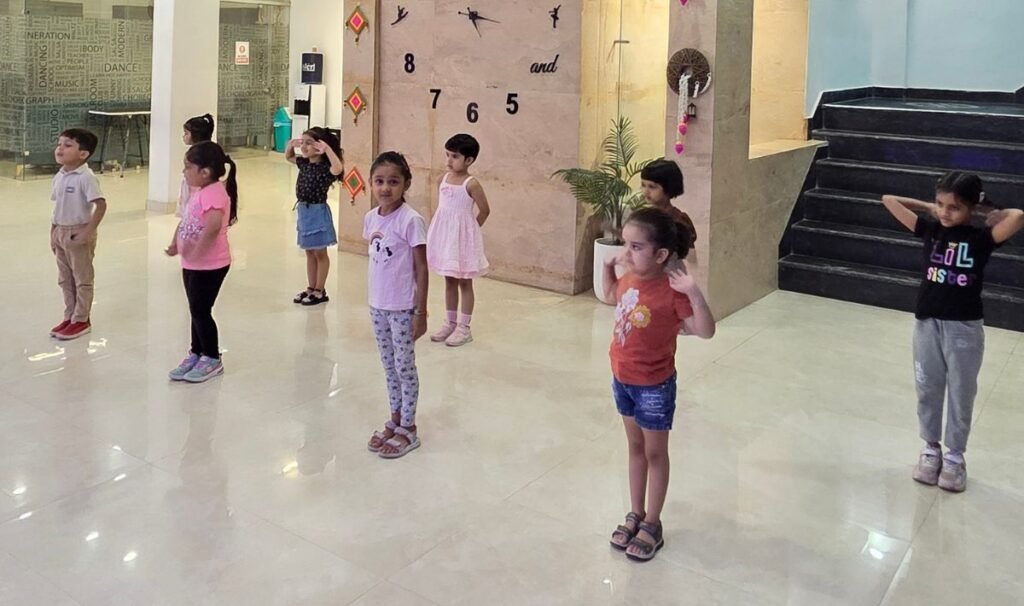
Fun and Smart Start for Your Child’s Growth
As a parent, you want the very best for your child. From choosing the right preschool to selecting activities that support healthy growth, every decision feels important. During the early years, children are naturally curious, energetic, and eager to explore. This is why many parents today are discovering the benefits of Dance Classes for Preschool Kids as a valuable part of their children’s development.
Dance is much more than learning steps and moving to music. It is an activity that combines creativity, physical fitness, confidence-building, social interaction, and emotional expression in a way young children genuinely enjoy. For preschoolers, learning happens best through play, movement, and imagination. Dance naturally brings all these elements together, making it one of the most enriching extracurricular activities available.
Whether your child loves music, enjoys moving around the house, or simply needs a positive outlet for their energy, Dance Classes for Preschool Kids can provide a structured yet enjoyable environment where they can learn and grow. In this guide, we will explore how dance supports early childhood development, why preschool is the perfect age to begin, and what parents should look for when choosing the right dance program.
Why Preschool Years Are the Best Time to Start Dance
The preschool years are often referred to as the foundation years because children experience rapid development during this stage of life. Their brains are absorbing information at an incredible rate, and they are constantly learning new skills through observation, interaction, and movement. Introducing Dance Classes for Preschool Kids during this important period can help support development in multiple areas simultaneously.
Young children have a natural connection with music and rhythm. You may have noticed your child swaying, clapping, jumping, or creating their own little dance routines whenever music plays. This instinctive response makes dance one of the easiest activities for preschoolers to embrace. Unlike some structured activities that may feel overwhelming, dance feels like play while offering valuable developmental benefits.
Starting dance at an early age also helps children become comfortable participating in group activities. They learn to listen, follow instructions, interact with others, and become familiar with routines. These experiences contribute to school readiness and help children develop confidence in unfamiliar environments.
Another advantage of beginning dance during the preschool years is that children are naturally open-minded. They are less concerned about making mistakes and more willing to try new things. This creates the ideal environment for learning. Rather than focusing on perfection, age-appropriate dance classes encourage exploration, creativity, and enjoyment. These positive early experiences often create a lifelong appreciation for movement, fitness, and self-expression.
Benefits of Dance Classes for Preschool Kids
Improves Physical Development
One of the most visible benefits of Dance Classes for Preschool Kids is improved physical development. Young children are still learning how to control and coordinate their bodies. Dance helps strengthen these abilities through engaging activities that feel fun rather than repetitive.
Dance movements encourage children to develop balance, coordination, flexibility, posture, and body awareness. Simple activities such as jumping, stretching, spinning, and moving in rhythm help children understand how their bodies work and how different movements can be controlled. These skills are essential not only for dance but also for everyday activities and future participation in sports and physical education.
Regular movement is particularly important in today’s world, where children often spend significant amounts of time sitting in classrooms or engaging with screens. Dance provides an enjoyable way to stay fit while building healthy habits from an early age. Parents frequently notice improvements in their child’s coordination, stamina, and confidence after their child has consistently participated in dance classes.
As children become more physically capable, they often become more willing to explore other activities. The confidence gained through movement can encourage participation in playground activities, sports, and social games, all of which contribute to overall development.
Builds Confidence from an Early Age
Confidence is a skill that influences every aspect of a child’s life. It affects how they interact with others, approach new experiences, and respond to challenges. One of the greatest benefits of Dance Classes for Preschool Kids is that they nurture self-confidence in a positive and supportive environment.
Every time a child learns a new movement, successfully follows a routine, or participates in a group activity, they experience a sense of accomplishment. These small successes gradually build self-belief. Children begin to understand that they are capable of exploring new things and improving through practice.
Confidence developed through dance often extends beyond the studio. Parents commonly report improvements in communication skills, classroom participation, and willingness to try new activities. When children experience success in one area of life, they are more likely to approach other situations with optimism and resilience.
Encourages Social Skills
Social development is a major part of early childhood, and Dance Classes for Preschool Kids provide an excellent setting for learning important interpersonal skills. Preschoolers are still developing their understanding of cooperation, communication, and teamwork. Dance classes offer opportunities to practice these skills naturally and enjoyably.
During group activities, children learn how to take turns, listen carefully, follow instructions, and respect others. These experiences help build the foundation for positive relationships both inside and outside the classroom.
Dance classes also create opportunities for children to make friends. Shared experiences, games, and creative activities encourage interaction and help children feel connected to their peers. For many preschoolers, dance becomes one of their first experiences of belonging to a group outside their immediate family.
These early social experiences can have a lasting impact. Children who feel comfortable interacting with others often adapt more easily to school environments and develop stronger communication skills as they grow older.
Enhances Creativity and Imagination
Preschool children are naturally imaginative. They love stories, pretend play, and exploring new ideas. Dance provides an ideal platform for nurturing this creativity while encouraging self-expression.
Many Dance Classes for Preschool Kids include creative movement activities that allow children to use their imagination. They may pretend to be animals, characters from stories, or natural objects. These activities stimulate creative thinking while helping children connect emotions with movement.
Creative expression is important because it allows children to communicate ideas and feelings. Not every child finds it easy to express emotions verbally, but movement can provide an alternative outlet. Dance gives children the freedom to explore a range of emotions while developing confidence in their ability to express themselves.
Creativity developed through dance can also support learning in other areas. Children who are encouraged to think creatively often become better problem solvers and more confident communicators. These skills remain valuable throughout their educational journey and beyond.